
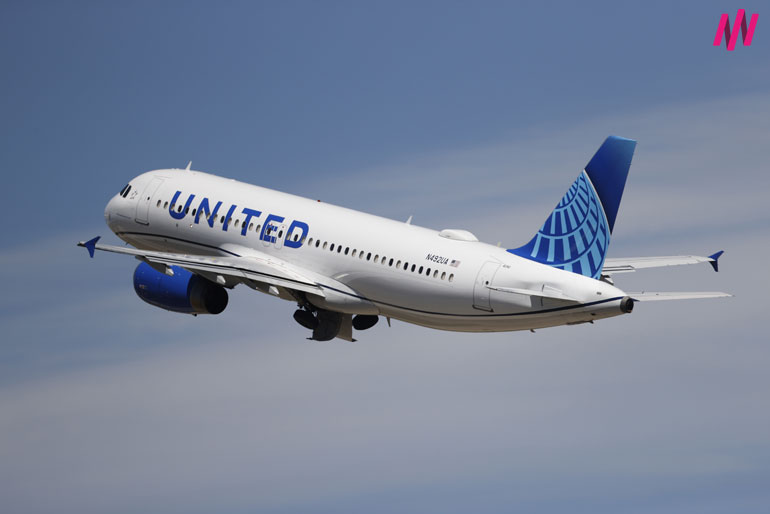
On May 27, 2025, United Airlines Flight UA770 left Barcelona El Prat Airport bound for Chicago O’Hare. The Boeing 787-9 Dreamliner (tail number N26902) pushed back in the early afternoon with more than 200 travelers on board and a crew seasoned in long-haul operations. The weather was calm, the cabin was relaxed, and most passengers settled in for what should have been a routine ten-hour crossing.
The Alarm at 35,000 Feet
A few hours into the cruise, cockpit indicators signaled a potential systems fault. The crew ran through checklists, but one warning refused to clear. Rather than risk pressing on over the Atlantic, the captain broadcast the internationally recognized “7700” emergency transponder code—an all-purpose mayday that tells every controller on the frequency that help may soon be needed.
Picking the Right Airport—Why London?
When time matters, crews choose the nearest field with long runways, sturdy rescue services, and engineers who can work on wide-body jets. London Heathrow (LHR) fits the bill. It lies roughly 400 miles north-west of the aircraft and is one of Europe’s busiest yet best-equipped hubs. Air-traffic controllers cleared a straight-in path, other jets shifted out of the way, and fire crews rolled toward Runway 27R.
A Textbook Landing
At 4:55 p.m. BST, UA770 touched down without drama. Rescue vehicles flanked the Dreamliner but quickly stood down when no smoke or fluid leaks appeared. Everyone disembarked normally via jet bridge at Gate B44, while mechanics began a stem-to-stern inspection.
Inside the Cabin—Calm, Clear, Caring
Passengers later said the cabin crew kept their voices low and instructions clear. Seat-belt checks, a quick briefing on brace positions, and steady updates helped keep nerves in check. Simple gestures—free drinks of water, reassuring smiles, and reminders to breathe—proved more comforting than any technical detail.
What Happened After Landing?
United arranged a planned one-hour ground stop so engineers could probe the culprit system. Some travelers continued on a replacement aircraft later that evening; others stayed overnight in London with hotel and meal vouchers. No injuries were reported.
So, What Actually Went Wrong?
As of late July 2025, United and U.S./U.K. regulators had not released a final report, but preliminary statements pointed to a suspected mechanical fault—possibly a sensor or control-surface issue—that triggered caution lights in the cockpit. Investigators pulled flight data and cockpit-voice recorders for deeper analysis.
Plain-English takeaway: Something in the airplane’s monitoring systems hinted at trouble. Instead of gambling on a trans-Atlantic crossing, the pilots chose the safer option: land, check, then fly on only when it’s truly safe.
Behind the Scenes—Teamwork in Minutes
- Pilots evaluated the warning, declared the emergency code, and steered toward Heathrow.
- Air-Traffic Controllers cleared airspace, coordinated with Heathrow operations, and provided vectors every step of the way.
- Cabin Crew secured the cabin, coached travelers, and stayed visible in the aisle.
- Ground Responders staged foam trucks, medics, and security along the runway.
- Engineers met the jet at the gate with diagnostic laptops in hand.
All of this unfolded in less than an hour—a vivid example of the aviation safety net functioning exactly as intended.
The Larger Picture—Why Diversions Matter
Emergency diversions cost airlines money and schedule pain, yet they underscore a fundamental truth: safety outranks punctuality. Each diversion also offers real-world data that engineers use to tweak maintenance schedules, design better checklists, and improve crew training.
Tips for Travelers
- Keep essentials handy (medicines, chargers, ID).
- Listen for instructions—every airline drills crews for moments like this.
- Stay patient—diversions are rare, but when they happen, the goal is always to land safely first, rearrange plans second.
Key Takeaways
- Early warning beats late reaction. The 7700 code gave controllers instant notice.
- Heathrow was chosen for its resources, not convenience. Long runways and top-tier rescue teams save lives.
- No one was harmed. Training plus infrastructure equals safe outcomes.
- The cause is still under review. Aviation agencies publish findings only after a thorough investigation.
Frequently Asked Questions
Why did UA770 divert?
The crew saw system warnings they couldn’t quickly resolve, so they chose a precautionary landing.
Was anyone hurt?
No. All passengers and crew exited the aircraft safely.
What does “7700” mean?
It’s a universal emergency squawk code that alerts every radar screen that the flight needs priority handling.
How common are diversions?
They’re rare—only a tiny fraction of global flights divert each year—but airlines train for them constantly.
What type of aircraft was involved?
A Boeing 787-9 Dreamliner, tail number N26902.
Did the plane catch fire?
No signs of fire or smoke were reported; the landing was precautionary.
When will we know the exact cause?
Final reports often take months. Regulators will release findings once every data point is analyzed.
Is flying still safe?
Yes. Diversions show the safety system working: crews detect issues early, land promptly, and keep passengers out of harm’s way.
Final Word
Flight UA770’s unscheduled stopover in London may have rattled travel plans, but it also showcased why modern air travel remains remarkably safe: quick decisions, extensive training, and a global web of professionals ready to help at a moment’s notice. The next time you board a flight, remember that legions of experts are quietly focused on one goal—getting you home in one piece, even when the unexpected happens.