For a long time, society has tried to put people into neat boxes. Women are expected to be soft, gentle, emotional, and traditionally feminine. Men are expected to be strong, tough, and unemotional. But real life is much more colorful than that. Many women naturally have traits, styles, and personalities that are considered “masculine.” These women are often called “masculine women,” but what does that really mean?
This article takes a simple, friendly, and respectful look at masculine women — who they are, how they express themselves, how the world treats them, and why their presence matters in modern society.
What Does “Masculine Woman” Mean?
A masculine woman is a woman who expresses herself in ways that society traditionally associates with men. This does not mean she wants to be a man. It simply means her personality, behavior, style, or interests lean more toward traits that are usually labeled as masculine.
For example, a masculine woman might:
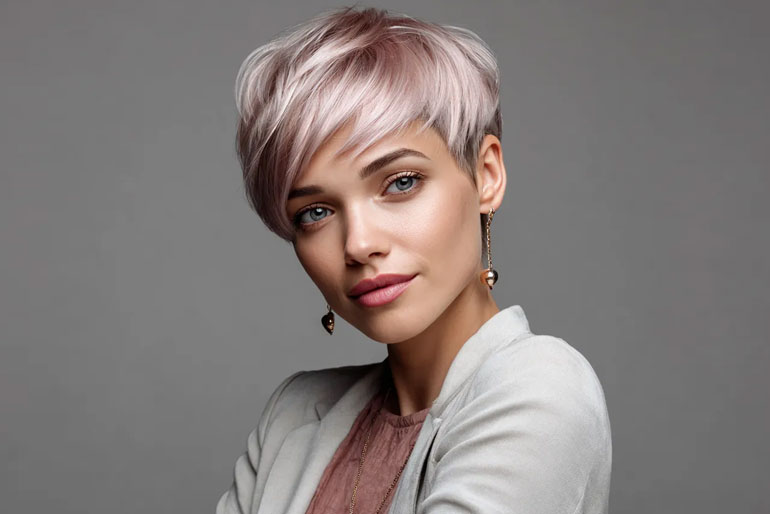
- Prefer short hair instead of long hair
- Like loose or structured clothing instead of dresses
- Enjoy sports, mechanics, or leadership roles
- Speak in a direct or confident way
- Feel more comfortable in a simple, minimal style
- Show emotional strength rather than softness
None of these things make her less of a woman. They simply reflect her personal way of being.
Masculinity Is Not Only for Men
One of the biggest misunderstandings in society is that masculinity belongs only to men. In reality, masculinity is just a set of traits — like confidence, independence, logic, courage, or assertiveness. Women can naturally have these traits just as much as men can.
In the same way, men can also have traits that are considered feminine, such as sensitivity, kindness, or emotional expression. Personality does not follow strict gender rules.
Masculine women have always existed. They are not a new trend. In history, many powerful women were described as “masculine” because they were strong, outspoken, or leaders in their fields.
Different Ways Women Can Be Masculine
Masculinity in women does not look the same for everyone. It appears in different ways.
1. Appearance and Style
Some women prefer:
- Short hairstyles
- Oversized shirts or jackets
- Suits instead of dresses
- Neutral or dark colors
- Minimal makeup or none at all
This does not mean they dislike being women. It simply means they feel more like themselves in this style.
2. Personality and Behavior
Some masculine women are:
- Very confident
- Straightforward when speaking
- Independent and self-reliant
- Less emotional in public
- Comfortable taking charge in situations
They may be natural leaders or problem solvers.
3. Interests and Hobbies
Masculine women may enjoy:
- Football, basketball, or boxing
- Video games
- Engineering or technology
- Carpentry or mechanics
- Business or entrepreneurship
Again, these interests do not define their gender — just their preferences.
Why Do Some Women Become More Masculine?
There is no single reason. Every woman has her own story.
Some reasons include:
- Personal comfort: They simply feel more natural this way.
- Upbringing: They may have grown up around brothers or strong female role models.
- Culture: Some cultures encourage women to be tough and independent.
- Rejection of stereotypes: They may not like being limited to traditional “girly” roles.
- Life experiences: Hard situations can shape someone into a stronger, more self-reliant person.
None of these reasons are wrong. They are simply part of personal identity.
How Society Treats Masculine Women
Sadly, masculine women often face judgment.
Some common reactions include:
- People assuming they are rude or aggressive
- Strangers commenting on their looks
- Being mistaken for someone else
- Facing criticism for not being “ladylike”
- Being misunderstood in relationships
However, things are slowly changing. More people are learning that femininity and masculinity are not tied strictly to gender.
Movies, fashion, and media are starting to show more diverse women — including those who are confident, strong, and not traditionally feminine.
Masculine Women in Work and Leadership
Many masculine women do very well in professional environments because they tend to be:
- Direct communicators
- Decision-makers
- Calm under pressure
- Not easily intimidated
- Focused on results
Because of this, many become successful leaders, entrepreneurs, or professionals in male-dominated industries.
However, some still face bias. A man who is assertive may be called “strong,” while a woman who is assertive may be called “bossy.” This double standard is something society is still working to change.
Relationships and Masculine Women
In relationships, masculine women are just as loving and caring as anyone else. They simply show love in different ways.
Instead of:
- Being very emotional
They may be: - Protective and supportive
Instead of:
- Being very talkative about feelings
They may: - Show care through actions
Some partners appreciate this strength, while others may struggle if they expect a more traditional feminine role. Healthy relationships are about understanding and respect.
Masculinity vs. Femininity: It’s Not a Battle
Some people think being masculine means rejecting femininity. That is not true.
Many women are a mix of both. They might be tough at work but soft with loved ones. They might dress simply but still enjoy beauty or creativity.
Balance is natural. Humans are complex, and identity cannot be put into simple labels.
Why Masculine Women Matter in Society
Masculine women help break limits.
They show that:
- Women can be leaders
- Strength is not only for men
- Identity is personal, not forced
- There is no “right” way to be a woman
They also inspire young girls who may not fit traditional expectations. Seeing different types of women helps them feel accepted.
Common Myths About Masculine Women
Myth 1: They want to be men
Not true. Most masculine women are comfortable being women.
Myth 2: They are cold or emotionless
Many are very caring; they just express it differently.
Myth 3: They hate feminine things
Some do, but many enjoy both masculine and feminine activities.
Myth 4: They are always dominant
Personality varies — some are quiet, some are bold.
How to Respect Masculine Women
If you want to be supportive, here are simple ways:
- Do not mock their appearance
- Avoid assumptions about their personality
- Respect their clothing choices
- Do not pressure them to act more “feminine”
- Treat them as individuals, not stereotypes
Respect is simple: let people be who they are.
The Future: More Acceptance, More Freedom
As society becomes more open-minded, masculine women are gaining more visibility and acceptance. Fashion brands are creating more gender-neutral styles. The media is showing more diverse female characters. Schools and workplaces are slowly becoming more inclusive.
The world is realizing that strength, confidence, and independence are not male traits — they are human traits.
Frequently Asked Questions (FAQs)
1. Are masculine women less feminine?
No. They simply express femininity in a different way or prioritize traits labeled as masculine.
2. Does being masculine mean a woman is aggressive?
Not at all. Masculinity does not automatically mean anger or aggression.
3. Can a masculine woman still like makeup or fashion?
Yes. Many masculine women enjoy style, beauty, or creativity in their own way.
4. Is masculinity in women new?
No. Masculine women have existed throughout history in many cultures.
5. Do masculine women struggle more in society?
Sometimes, because of stereotypes, but acceptance is slowly improving.
6. Can a woman be both masculine and feminine?
Absolutely. Many people have a mix of both traits.
7. Should society force women to be feminine?
No. Everyone should have the freedom to express themselves authentically.
Final Thoughts
Masculine women are not a problem, a trend, or a confusion. They are simply women who express strength, confidence, and independence in ways that society labels as masculine.
The more we understand and accept different expressions of identity, the more open, kind, and fair the world becomes.
At the end of the day, being a woman is not about how you look or act — it is about who you are inside.