
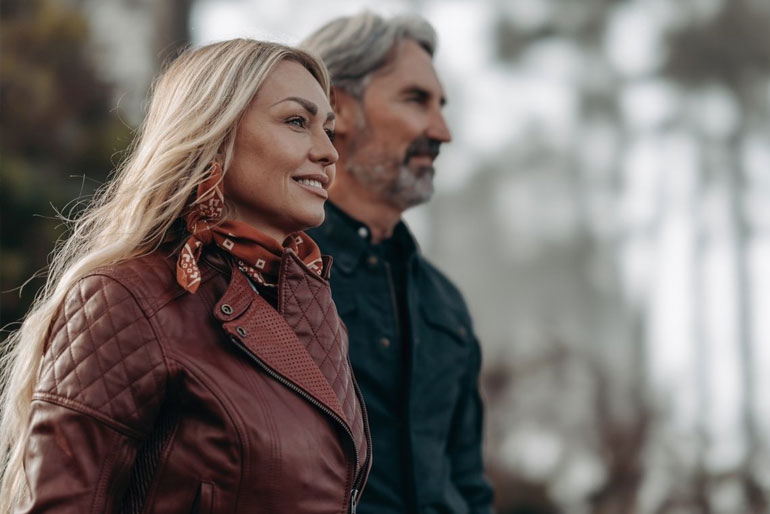
If your channel‑surfing ever paused on American Pickers, you already know Mike Wolfe as the tall, energetic guy who calls dusty junk “rusty gold.” What many casual viewers don’t realize is that television was just a launchpad. Wolfe has spent the last decade pouring time, money, and heart into something he simply calls his Passion Project—an umbrella for everything he does off‑camera to rescue forgotten objects, revive Main Streets, and remind folks why small‑town America still matters.
What Exactly Is the Passion Project?
Rather than one formal nonprofit or limited‑liability company, the project behaves like a living ecosystem. It folds together antique collecting, motorcycle preservation, real‑estate rehab, pop‑up museums, a lifestyle brand called Two Lanes, and a steady stream of videos that celebrate ordinary people who keep old skills alive. The common thread is simple: honor stories before they vanish. The framework lets Wolfe stay nimble—he can buy a century‑old cast‑iron sign one week and refinance a derelict building the next—without the red tape that would slow a traditional foundation.
Roots in a Humble Iowa Childhood
Wolfe’s toolbox of instincts was shaped far from Nashville lights or History Channel cameras. Growing up in the tiny town of Le Claire, Iowa, he was raised by a single mother who stretched every dime. Dumpster‑diving for bicycle parts taught him that the past hides value if you look long enough. That eye formed early, and so did his respect for blue‑collar craft. By the time he could drive, Wolfe was towing home barn finds and selling them to collectors with deeper pockets. Those profits eventually bankrolled American Pickers, which in turn bankrolled the bigger mission.
Preservation Over Profit—For Real
Reality‑TV catchphrases aside, Wolfe often says his favorite word is “context.” He has turned down five‑figure offers for gas pumps because the pieces belonged inside the buildings where they first stood. He prefers long‑term stewardship to quick flips, and he loans artifacts to local museums when that context serves the public. The guiding rule: if history gets richer by staying together, the deal is a no‑go.
Columbia, Tennessee: A Living Laboratory
Drive forty‑five minutes south of Nashville and you’ll roll into Columbia, population 43,000. Since 2017, Wolfe has quietly acquired more than two dozen downtown parcels, rehabbing warehouses, cafés, and lofts with vintage flair. Local press estimates his investment at roughly $93 million, and new businesses—from a butcher shop to a designer‑bike store—now rent those spaces. Tourism spiked, and skeptics who once worried about outsider influence now admit the sidewalks feel busier than they have in decades.
The 1940s Esso Station That Broke the Internet
One rehab grabbed national attention. On May 28, 2025, Wolfe posted an Instagram reel revealing a 1940s Esso service station he had stripped to the bricks, repointed, and transformed into an open‑air courtyard. Neon showed off against new white tile, and period‑correct pumps stood guard like sculpture. Commenters called the space “jaw‑dropping” and begged for road‑trip directions. The short clip traveled from social media to entertainment sites within hours, proof that nostalgia still clicks.
Columbia Motor Alley: Cathedrals of Chrome
Five blocks away sits Wolfe’s most ambitious build yet: Columbia Motor Alley, a 1947 Chevrolet dealership recast as an event hub, gallery, and retail anchor. The Antique Archaeology website calls the facility “Mike’s love of transportation history and historic preservation come together” and hopes the project “inspires others to look at these forgotten places and imagine what they could be again.” Inside, Indian and Harley‑Davidson board‑track bikes line up under clerestory windows, and a mezzanine holds rare hood ornaments displayed like jewelry.
Two Lanes: Turning Road‑Life Into a Brand
The storefront at Motor Alley doubles as HQ for Two Lanes, Wolfe’s laid‑back clothing and content label. The shirts are soft, the logos subtle, but the larger goal is outreach. Each product tag tells a micro‑story from the road—where the design idea surfaced, how it ties to a past industry, and why saving small businesses keeps main drags alive. Revenue recirculates into future restorations, keeping the flywheel spinning.
A New Docuseries for a New Mission
This spring, the History Channel green‑lit “History’s Greatest Picks with Mike Wolfe,” an eight‑episode travelogue that digs into the human values behind iconic treasures. The greenlight sparked rumors that American Pickers might sunset, but Wolfe insists the franchise simply evolves. The fresh format frees him to spotlight carpenters, welders, and first‑generation immigrants whose work once powered whole regions—an editorial alignment with the Passion Project playbook.
Motorcycles: Rolling Time Capsules
Ask Wolfe why bikes fascinate him and he’ll riff for half an hour about “motion sculpture.” Inside his private barn sit dozens of Indian Scouts, Henderson fours, and one‑off customs built by unknown tinkerers. Many run, some never will, but each wears original paint like a fingerprint. Rather than line them up behind velvet ropes, Wolfe often stages pop‑up “garage nights” where he kicks over throttles and lets the crowd smell the oil. The scene bridges artifact and action.
Education Without a Textbook
A school bus parked curbside outside Motor Alley is not unusual. Wolfe invites field trips to handle old tools, trace pinch‑weld seams on vintage fenders, and quiz grandparents who worked the assembly lines. In an era when industrial arts classes vanish, the Passion Project delivers a living syllabus. Teachers leave with lesson plans about resourcefulness, and kids leave convinced that welding can be as creative as coding.
Sustainability Hidden in Plain Sight
Restoring a brick block may sound romantic, but it also saves landfill space that would swallow 100‑plus truckloads of rubble. Wolfe’s contractors salvage hardwood joists, reuse original glass where safety codes allow, and insulate walls behind the plaster rather than gut. Even decorative gas lamps on the Esso courtyard run LED guts for lower draw. Wolfe rarely preaches “green,” yet his method quietly models circular‑economy thinking.
The Critics—and the Costs
Not everyone applauds. Some longtime locals worry downtown rents will spike beyond homegrown budgets; preservation purists grumble about mixing retail with museumlike spaces. Then there are the numbers: a soaring roof truss replacement can cost six figures, and insurance premiums on historic masonry are no joke. Wolfe answers skeptics with transparency. He publishes progress photos, credits local trades by name, and shows line items when city councils debate tax‑increment financing.
Social Media as Digital Front Porch
Wolfe’s personal Instagram feed has matured into a virtual porch swing where 1.3 million followers trade tips about patina. A quick scroll delivers behind‑the‑scenes welding shots, lost‑highway murals, and cameo walk‑throughs by craftsmen who helped raise Motor Alley’s skylights. The mix serves a dual purpose: marketing the next project and proving that heritage can pay today’s bills if packaged with honesty.
A Ripple Effect Beyond Tennessee
Fans now send Wolfe Google‑pin drops for vacant depots in Michigan or train cabooses in Colorado, hoping his playbook can transplant. Some town boards cite Columbia as a case study when applying for Main Street grants. The momentum suggests that one televised picker’s side hustle may nudge a broader preservation movement, powered by citizen archaeologists armed with smartphones and road‑trip playlists.
Why It Resonates Right Now
Modern life moves fast—phone models obsolete in eighteen months, streaming menus shuffle nightly. Wolfe’s passion project slows the frame rate. It tells folks, “Your county fair grandstand and that greasy diner sign deserve the same respect as high art.” In doing so, it blurs class lines and invites every visitor to feel like a curator. That democratizing vibe lands at a time when many people crave connection to something sturdy.
Looking Ahead—Rust Never Sleeps
Future phases include turning an 1890 cotton mill into a mixed‑use loft block, doubling the Columbia guesthouse footprint, and possibly franchising Motor Alley pop‑ups in other heritage towns. Wolfe also hints at a print quarterly that would spotlight unsung artisans who keep America’s mechanical heart beating. If past behavior predicts anything, expect steady progress rather than splashy reveals—commitment, not hype, is the coin of this realm.
Closing Thoughts
Mike Wolfe often jokes that he’s “just a guy chasing stories on two lanes of blacktop.” Strip away the antique neon, and that summary rings true. His Passion Project isn’t about cashing in on nostalgia; it’s about proving that tomorrow can thrive when yesterday is respected. Empty garages change into cultural landmarks, children shake hands with metal shapers rather than algorithms, and a long‑closed Esso station glows again under Tennessee stars. That payoff can’t be appraised in dollars, yet it’s worth every late‑night weld and torn‑down plywood panel.
In a disposable age, Wolfe’s ongoing adventure suggests a different rhythm—one where the past is not an anchor but a compass guiding small towns toward fresh horizons.